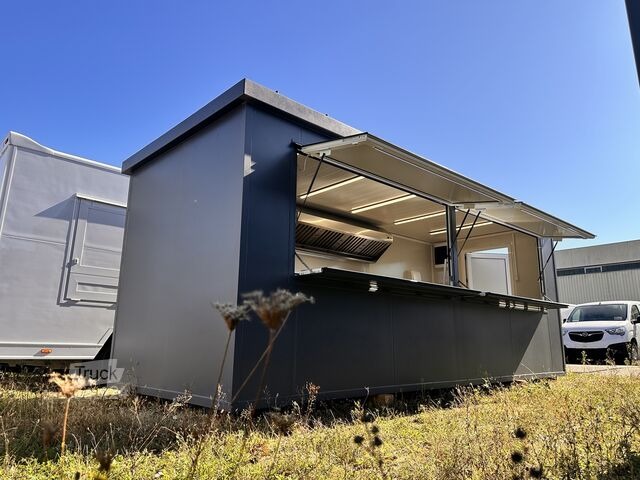
Container Homes Prices: What You Need to Know Before You Build
If you’re eye‑balling a modern, eco‑friendly place to call home, a shipping‑container house may be popping up on your vision board. The idea of turning a steel box into a livable space is appealing for many reasons—speed of construction, durability, and a distinctive aesthetic. But before you sign a contract with a prefab specialist, you need a clear picture of the actual costs involved.
In this post you’ll discover:
- How container‑home pricing is structured
- Which variables can swing the final figure up or down
- Real‑world price ranges presented in easy‑to‑read tables
- A quick cost comparison with conventional stick‑built houses
- Practical tips for keeping your budget in check
All of this is written in a second‑person voice because you’re the one making the decision, and you deserve the most transparent information possible. Let’s dive in.
1. Why Container Homes Can Be Cheaper (or More Expensive) Than Traditional Builds
The basic premise
A new, 40‑foot shipping container costs roughly $2,500–$5,000 when bought new, and $1,200–$2,500 when purchased used. That sounds cheap compared with a 1,500‑sq‑ft stick‑built home that can easily exceed $150,000 in material costs alone. However, the container price is just the starting line.
| Item | Typical Cost Range (USD) | What It Covers |
|---|---|---|
| New 40‑ft container | $2,500 – $5,000 | Metal, doors, basic fittings |
| Used 40‑ft container | $1,200 – $2,500 | Same structure, may have dents, rust |
| Foundation (pier/slab) | $3,000 – $12,000 | Concrete footings, grading |
| Insulation & interior finish | $15,000 – $35,000 | Spray foam, drywall, flooring, paint |
| Electrical & plumbing | $10,000 – $20,000 | Wiring, panels, fixtures, pipes |
| Windows & doors (custom) | $5,000 – $12,000 | Energy‑efficient units, framing |
| HVAC system | $4,000 – $9,000 | Mini‑split, ductless, or traditional furnace |
| Labor (design + build) | $15,000 – $45,000 | Architect, engineer, contractor fees |
| Permits & fees (varies by city) | $1,000 – $5,000 | Building permits, inspections |
| Total Approx. Cost | $55,000 – $163,000 | 1‑bedroom to 3‑bedroom layouts |
The numbers above are averages for the United States in 2024. Prices can fluctuate wildly based on location, market demand, and the level of finish you desire.
Key cost drivers
- Location & zoning – Some municipalities treat container homes as “accessory dwelling units” (ADUs) and waive part of the permit fee; others require a full‑scale residential permit, raising costs dramatically.
- Number of containers – A single‑container studio is the cheapest option; a two‑ or three‑container family home adds structural reinforcement, interior walls, and more finishing work.
- Insulation & climate control – Steel conducts heat and cold, so you’ll need robust insulation (spray foam, rigid board, or mineral wool) plus a reliable HVAC solution. In extreme climates, this can be the single biggest line item.
- Customization level – Do you want exposed steel for an industrial vibe, or a fully finished interior with hardwood floors and high‑end fixtures? The more you finish, the higher the price.
- Transport & logistics – Getting a 40‑ft container to a remote site may involve special permits, oversized‑load fees, and a crane, all of which can add several thousand dollars.
2. A Closer Look at Price Ranges by Home Size
Below is a quick reference guide that maps typical square‑footage to a realistic price band. These figures assume mid‑range finishes (e.g., spray‑foam insulation, basic kitchen appliances, standard fixtures).
| Home Size | Number of Containers | Approx. Sq‑ft (usable) | Estimated Total Cost (USD) | Typical Bedroom Count |
|---|---|---|---|---|
| Studio / Micro‑home | 1 | 150 – 250 | $55,000 – $85,000 | 0‑1 |
| 1‑Bedroom Loft | 1 | 250 – 350 | $65,000 – $95,000 | 1 |
| 2‑Bedroom Compact | 2 (side‑by‑side) | 400 – 500 | $85,000 – $120,000 | 2 |
| 3‑Bedroom Family | 2 (stacked) + 1 (garage) | 800 – 1,100 | $115,000 – $160,000 | 3 |
| Luxury 4‑Bedroom | 3–4 containers, custom layout | 1,200 – 1,800 | $150,000 – $250,000+ | 4+ |
Takeaway: Even the “luxury” end of the spectrum can undercut a conventional home of comparable size, which often starts around $250,000–$300,000 in many U.S. markets. But remember: a high‑end build with premium finishes, solar panels, and a sophisticated smart‑home system can quickly reach the same price point as a traditional build.
3. How Container Home Costs Stack Up Against Conventional Construction
| Category | Container Home (average) | Stick‑Built Home (average) | Cost Difference |
|---|---|---|---|
| Land preparation | $3,000 – $12,000 | $5,000 – $20,000 | Stick‑built often needs more grading |
| Structural shell | $2,500 – $5,000 (new) | $30,000 – $50,000 (framing, sheathing) | Container cheaper |
| Insulation & finish | $15,000 – $35,000 | $30,000 – $60,000 | Similar range, depends on quality |
| Labor (overall) | $15,000 – $45,000 | $30,000 – $70,000 | Container typically requires less time |
| Total (excluding land) | $55,000 – $163,000 | $115,000 – $200,000+ | Container can be 30‑50% cheaper |
Why the disparity?
- Speed: A container home can be “topped out” in weeks, limiting labor overhead.
- Material waste: Steel containers arrive pre‑fabricated, eliminating lumber waste and excess drywall.
- Design simplicity: Straight‑forward rectangular footprints reduce engineering complexity.
However, if you pursue a highly customized interior, add rooftop decks, or go all‑in on renewable energy, the cost advantage narrows.
4. 7 Practical Ways to Keep Your Container‑Home Budget in Check
- Start with a used container – A gently used unit (often 3–5 years old) can shave off 30‑40% of your shell cost. Just verify the structural integrity and absence of rust.
- Go for a single‑story layout – Stacking containers adds structural reinforcement expenses (steel beams, welds). A side‑by‑side or L‑shaped single‑story design is cheaper.
- Opt for a base‑isolation foundation – Simple pier or concrete block foundations cost far less than a full slab, especially on sloped sites.
- DIY interior finishes – If you have basic carpentry skills, installing drywall, flooring, and cabinetry yourself can save $8,000–$15,000.
- Choose off‑the‑shelf windows and doors – Custom‑size units drive up price; standard sizes are more affordable and easier to source.
- Bundle utilities – Instead of separate HVAC, water‑heater, and heat‑pump units, consider an integrated “mini‑split” system that handles heating and cooling with one outdoor compressor.
- Leverage local incentives – Some states offer tax credits for using recycled steel or for meeting energy‑efficiency standards. Research your municipality early.
5. Frequently Asked Questions (FAQ)
| Question | Answer |
|---|---|
| Can I live in a container home while it’s still being built? | Most builders recommend waiting until the building envelope (roof, walls, windows) is sealed and the HVAC system is operational. This protects you from weather exposure and ensures proper insulation performance. |
| Do container homes appreciate in value? | Appreciation depends on location, design, and market perception. In areas where tiny‑home or sustainable living trends are strong, a well‑finished container home can perform similarly to a conventional home. |
| What about zoning restrictions? | Zoning rules vary dramatically. Some jurisdictions label container homes as “manufactured housing,” which may limit where you can place them. Others treat them as accessory dwelling units (ADUs). Always check with the local planning department before purchase. |
| How long does a typical build take? | From foundation to move‑in, a straightforward single‑container project can be completed in 8‑12 weeks. Larger, multi‑container homes generally require 4‑6 months, depending on customization. |
| Are there any hidden costs I should anticipate? | Common hidden expenses include: soil testing, utility trenching, insurance premiums for a non‑standard structure, and post‑construction landscaping. Adding a 10‑15% contingency budget helps mitigate surprises. |
| Is a container home safe in earthquakes or hurricanes? | Steel frames are inherently strong and can be engineered to meet seismic and wind‑load codes. Proper anchoring, bracing, and a qualified engineer’s sign‑off are essential for safety. |
| Can I add a roof deck or a second floor later? | Yes, but you’ll need to verify the original container’s load‑bearing capacity and potentially reinforce the structure. Engaging a structural engineer early makes future expansions smoother. |
6. Bottom Line: Is a Container Home Right for Your Budget?
When you break down the numbers, container homes can be dramatically cheaper than conventional construction—especially if you keep the design simple, source a used container, and handle some of the interior work yourself. The biggest price spikes come from insulation, HVAC, and high‑end finishes, which are comparable to what you’d spend on a standard home.
Here’s a quick decision‑making checklist:
| ✅ | Decision Factor |
|---|---|
| 1 | Do you have a plot of land that allows for a small footprint (150‑500 sq ft)? |
| 2 | Is your climate mild enough that you can use cost‑effective insulation (spray foam or rigid board)? |
| 3 | Are you comfortable navigating local permitting or can you hire a consultant? |
| 4 | Do you have DIY skills to handle interior finishes, or are you budgeting for professional labor? |
| 5 | Is the aesthetic of exposed steel or industrial design appealing to you? |
If you answered yes to most of these, a container home could be a financially savvy—and stylish—choice.
Next steps:
- Research local regulations – Contact your city’s building department.
- Get multiple quotes – Compare at least three reputable container‑home builders.
- Visit a finished project – Seeing a real‑world example helps you gauge quality and finish level.
- Create a detailed budget spreadsheet – Include a 10‑15% contingency line.
Building a container home is a journey that blends sustainability, speed, and creativity. By understanding the price structure and planning strategically, you can turn that steel box into a cozy, affordable sanctuary that reflects your lifestyle.
Ready to start measuring your own container? Grab a tape, sketch a floor plan, and let the numbers guide you.